

Digitization of Tunisian farms through AI-based agri-PV energy systems for optimal management of the water-energy nexus
AI-Enabled Agri-PV for Integrated Smart Farming in Tunisia
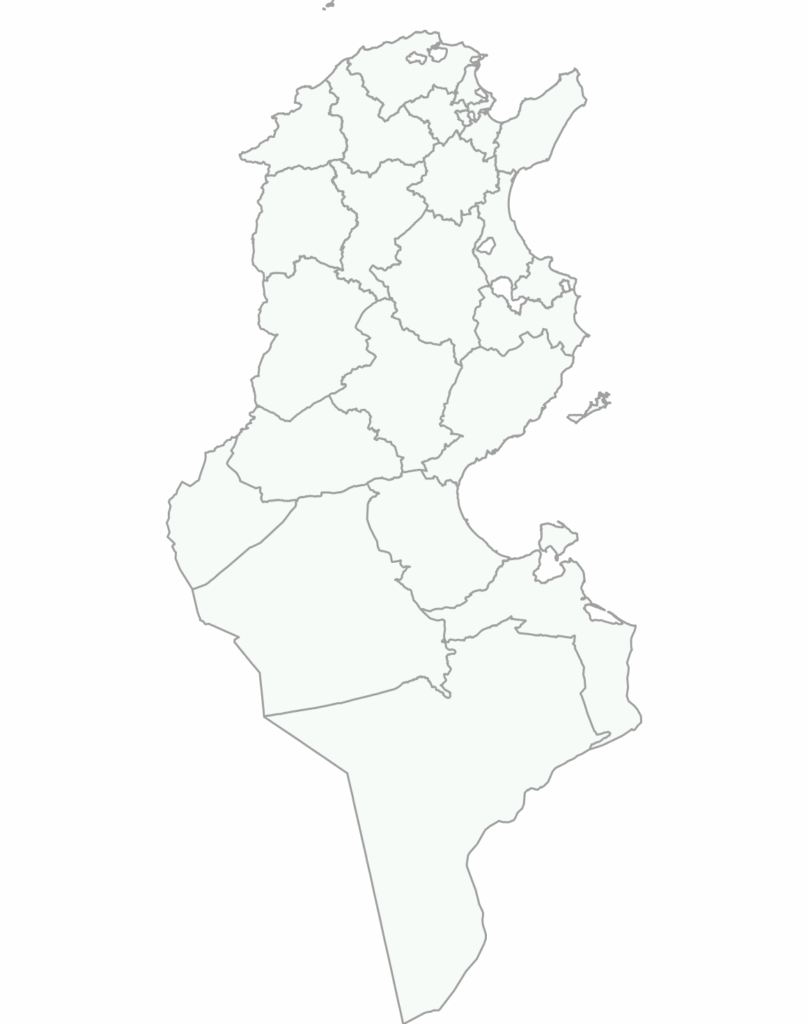
Gafsa
location of industry partner
Nabeul
pilot plant
Tunis
location of project partner LaRINa
What We Do and Why It Matters
In a context where groundwater access is increasingly limited and conventional farming practices are reaching their limits, Dig-e-Farm offers a forward-looking solution that strengthens rural livelihoods while contributing to a more sustainable and climate-resilient agricultural future in Tunisia and beyond. The project aims to pioneer smart, scalable approaches to address the urgent water-energy challenges faced by Tunisian agriculture.
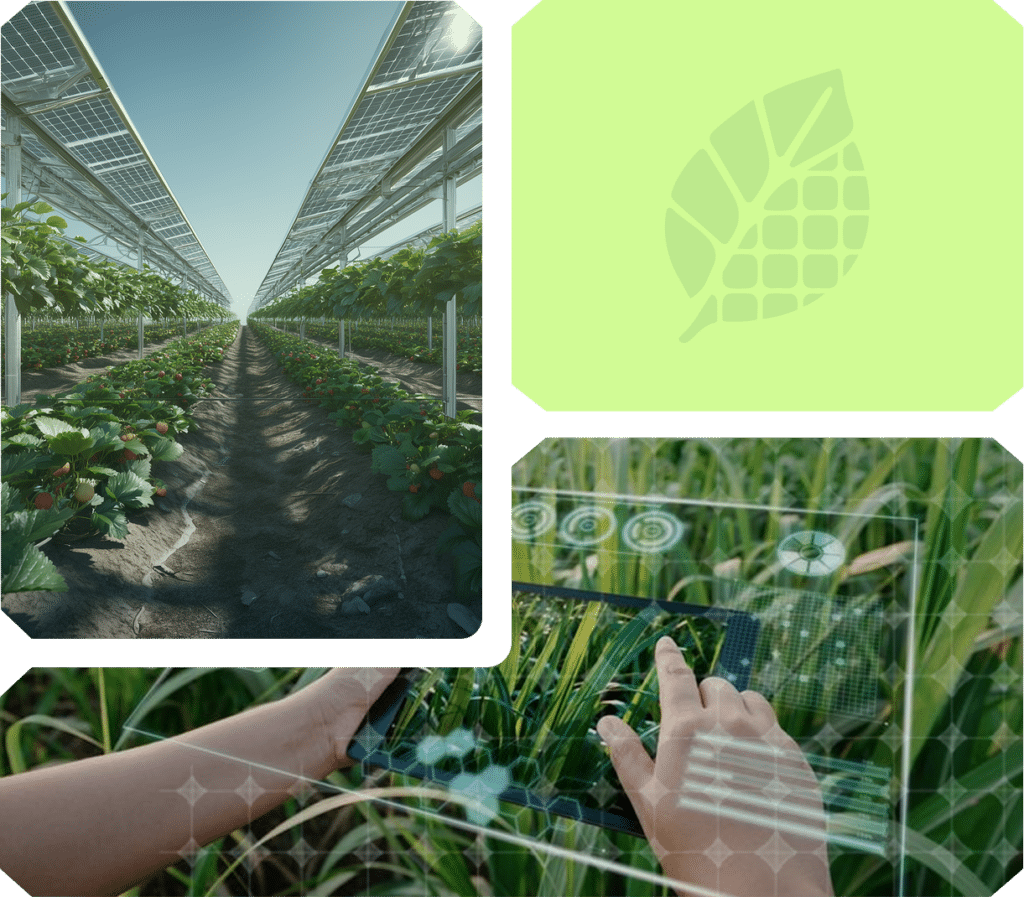
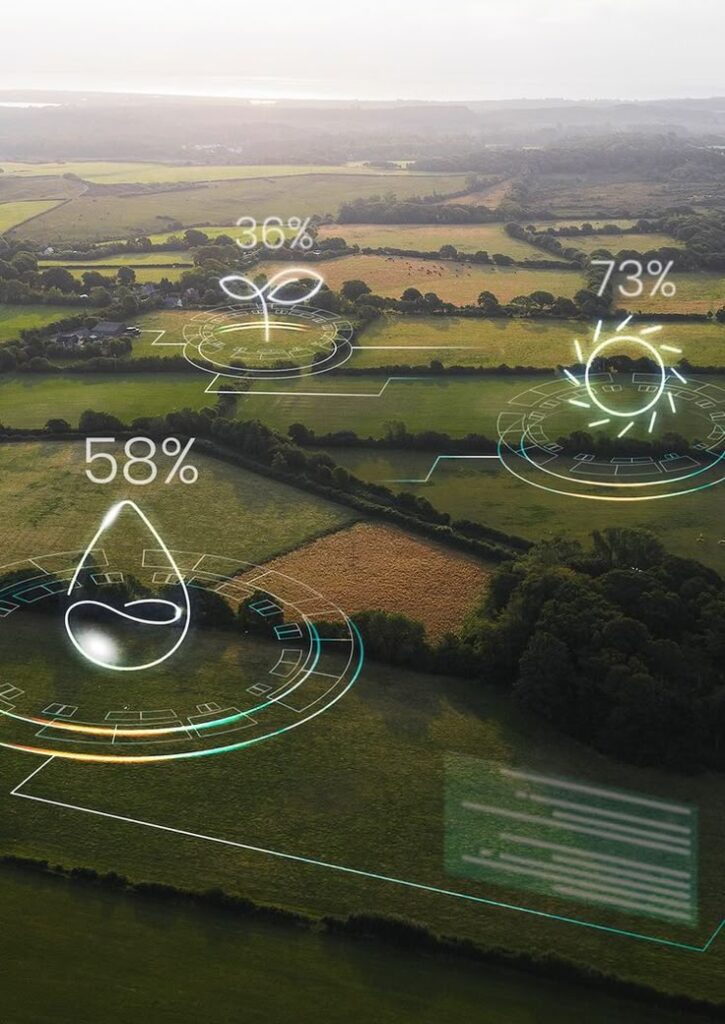
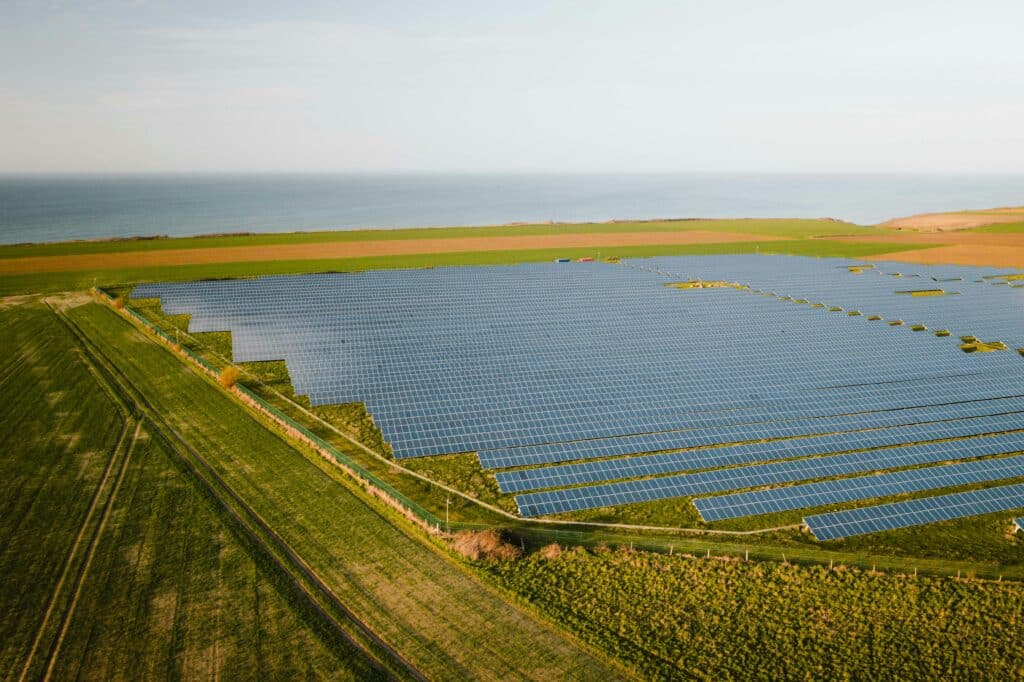
Agri-Photovoltaics (Agri-PV) — a dual-use system that allows crop cultivation and solar energy generation on the same land. Complementing this, the project is developing an AI-based digital management platform that enables farmers to monitor and optimize water and energy use in real time. Together, these technologies support more efficient irrigation, smarter energy management, and greater resilience to climate-related stress.
Combining innovative technology with practical application
To test these solutions under real-world conditions, Dig-e-Farm is establishing a pilot Agri-PV installation on a farm in Tunisia, which will provide valuable data for validation and future scaling. By combining innovative technology with practical application, the project creates a model for sustainable, climate-resilient agriculture that can be applied beyond Tunisia.
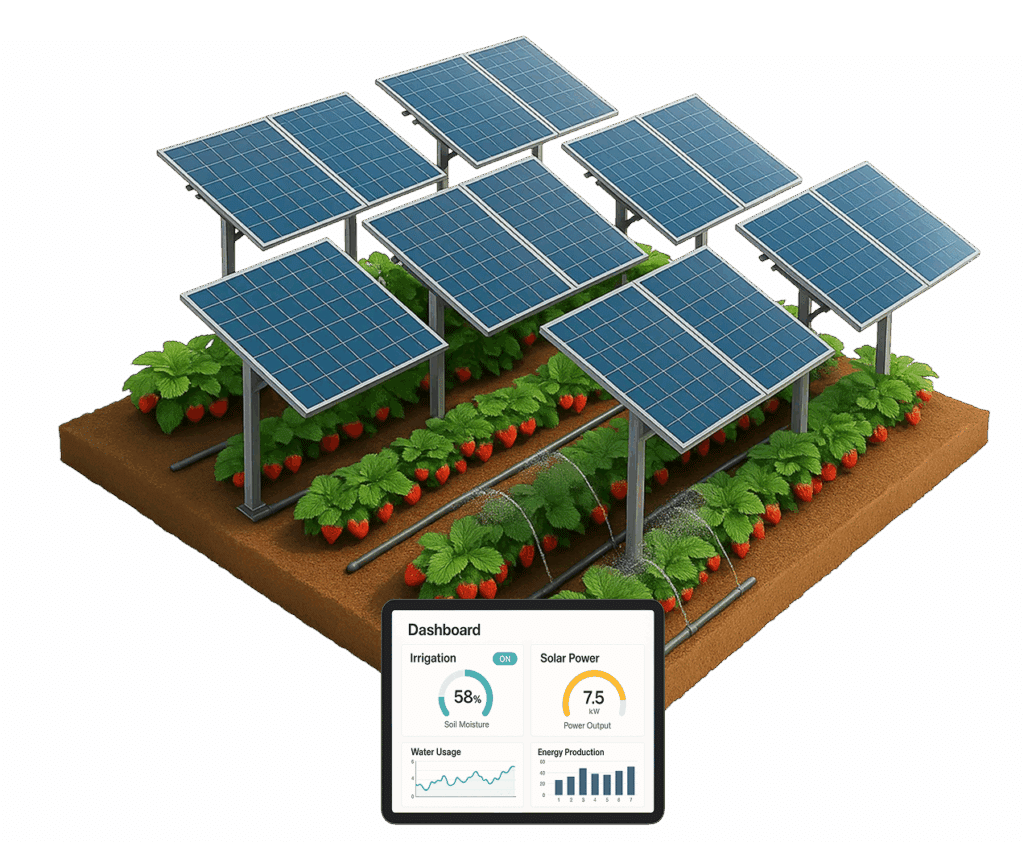
pilot plant
- Water
- Drip-irrigation
- Soil moisture
- Weather forecast
- Scheduled irrigation
- Energy
- Decentralized energy supply
- Power outage prediction
- Load forecast
- Grid-connected / off-grid operation
How it works
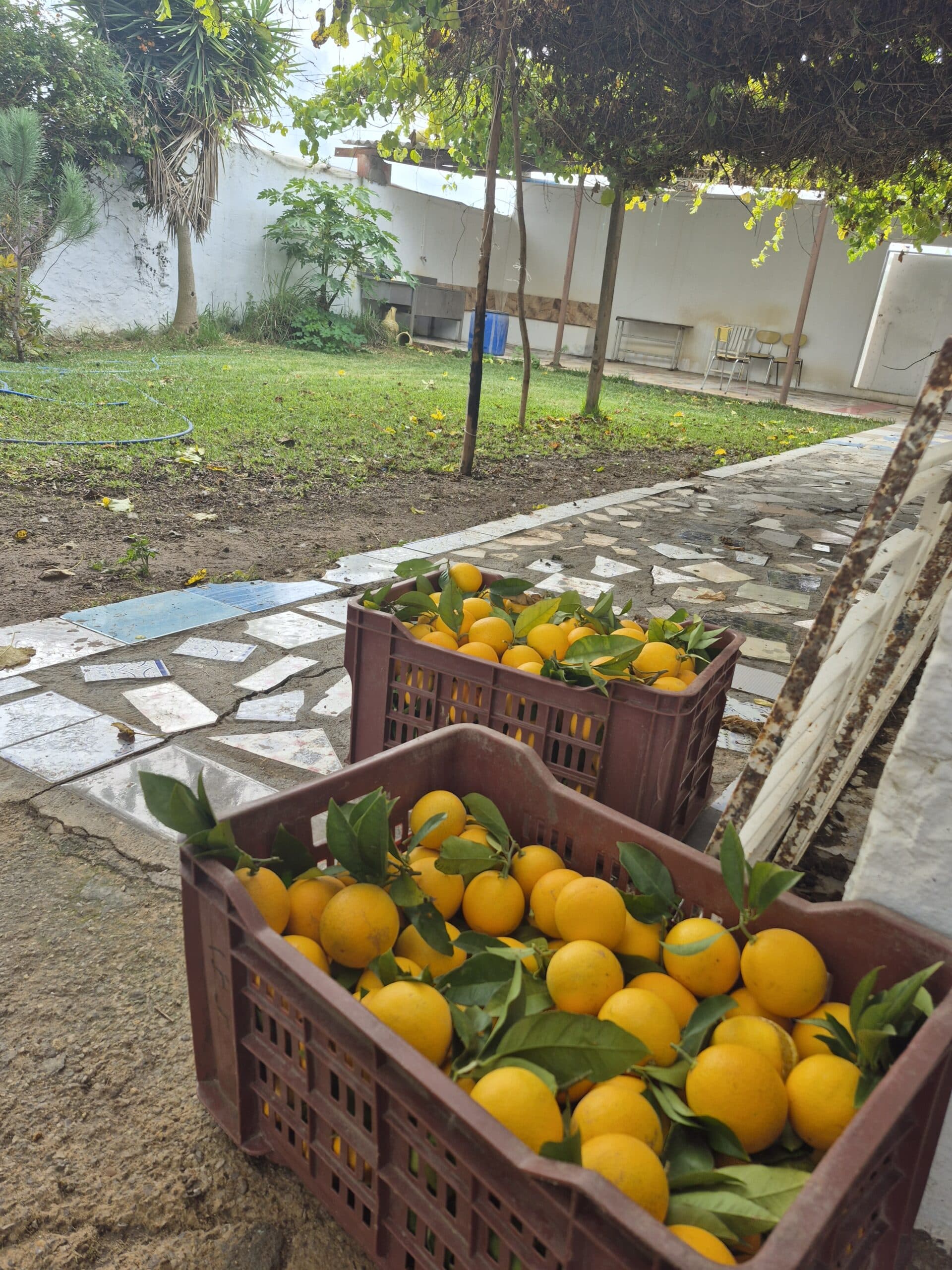
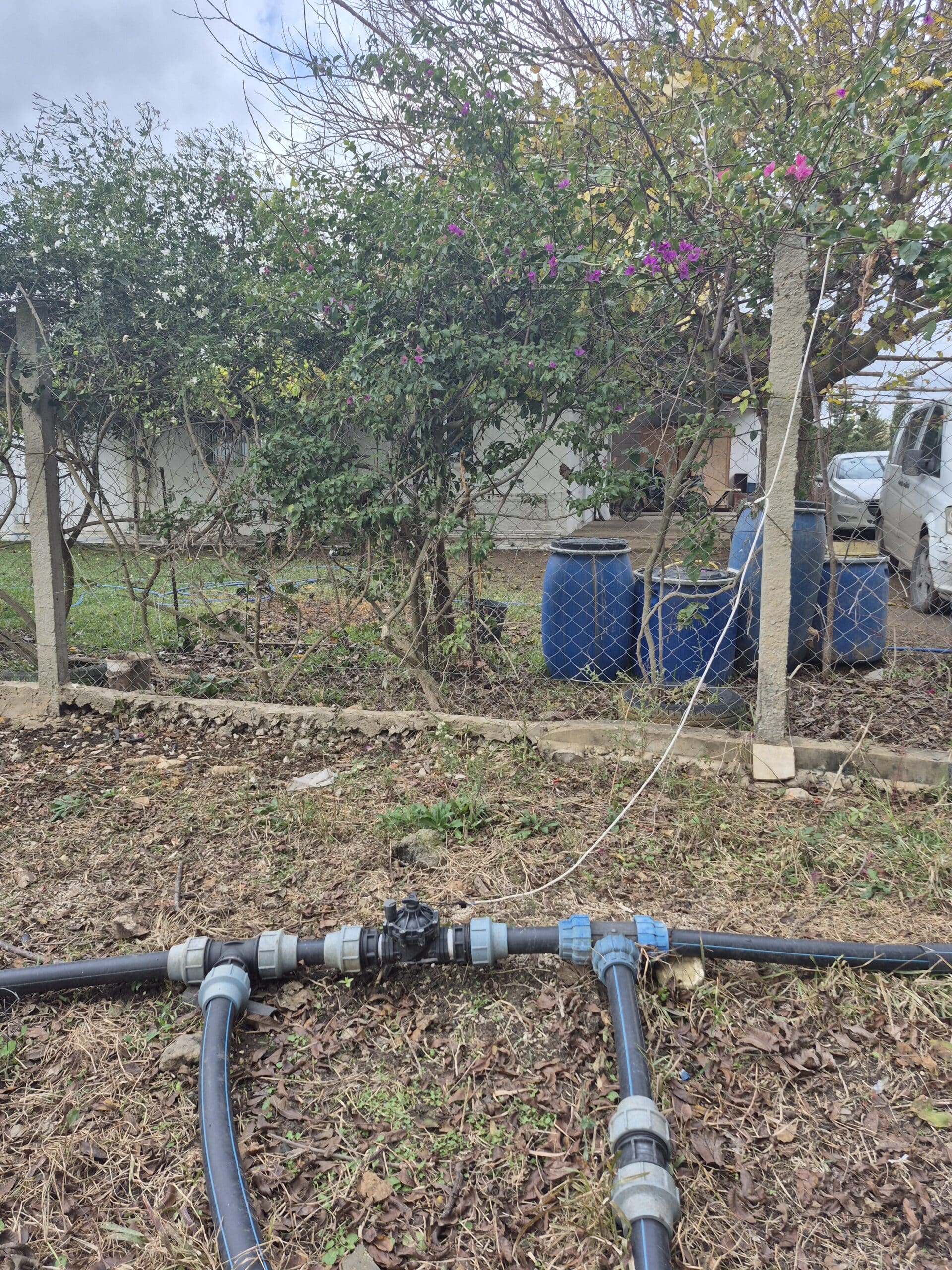
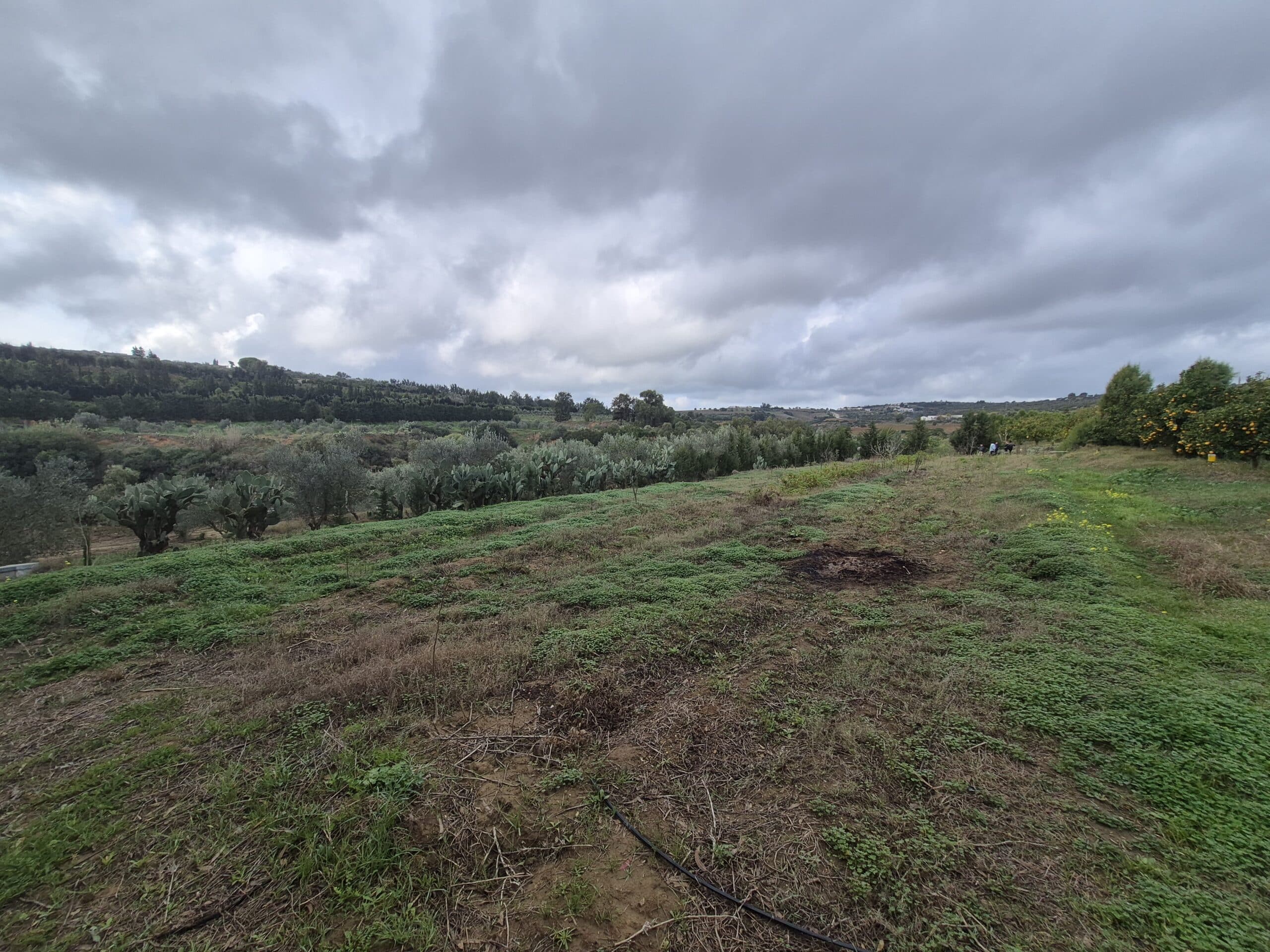
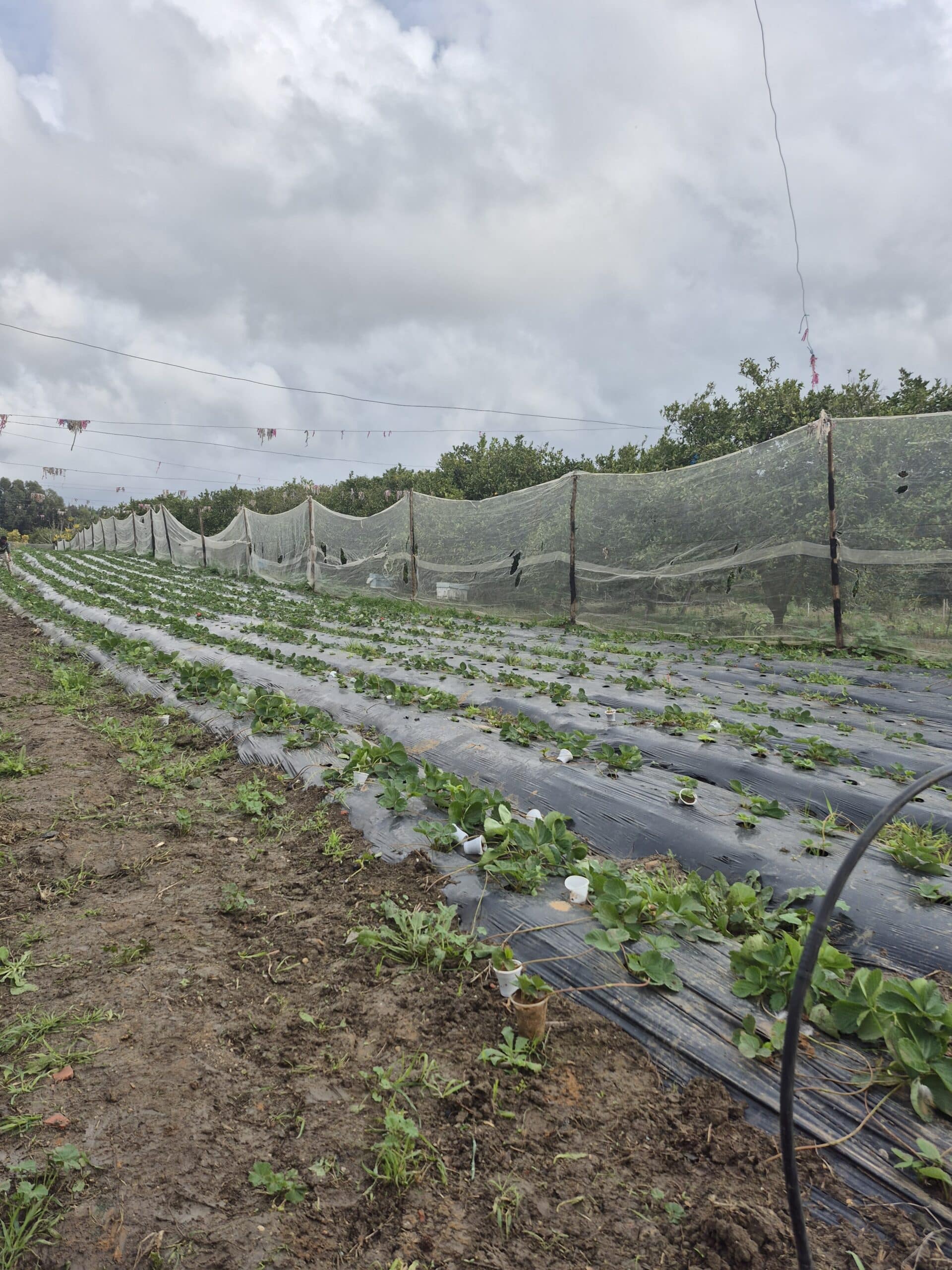
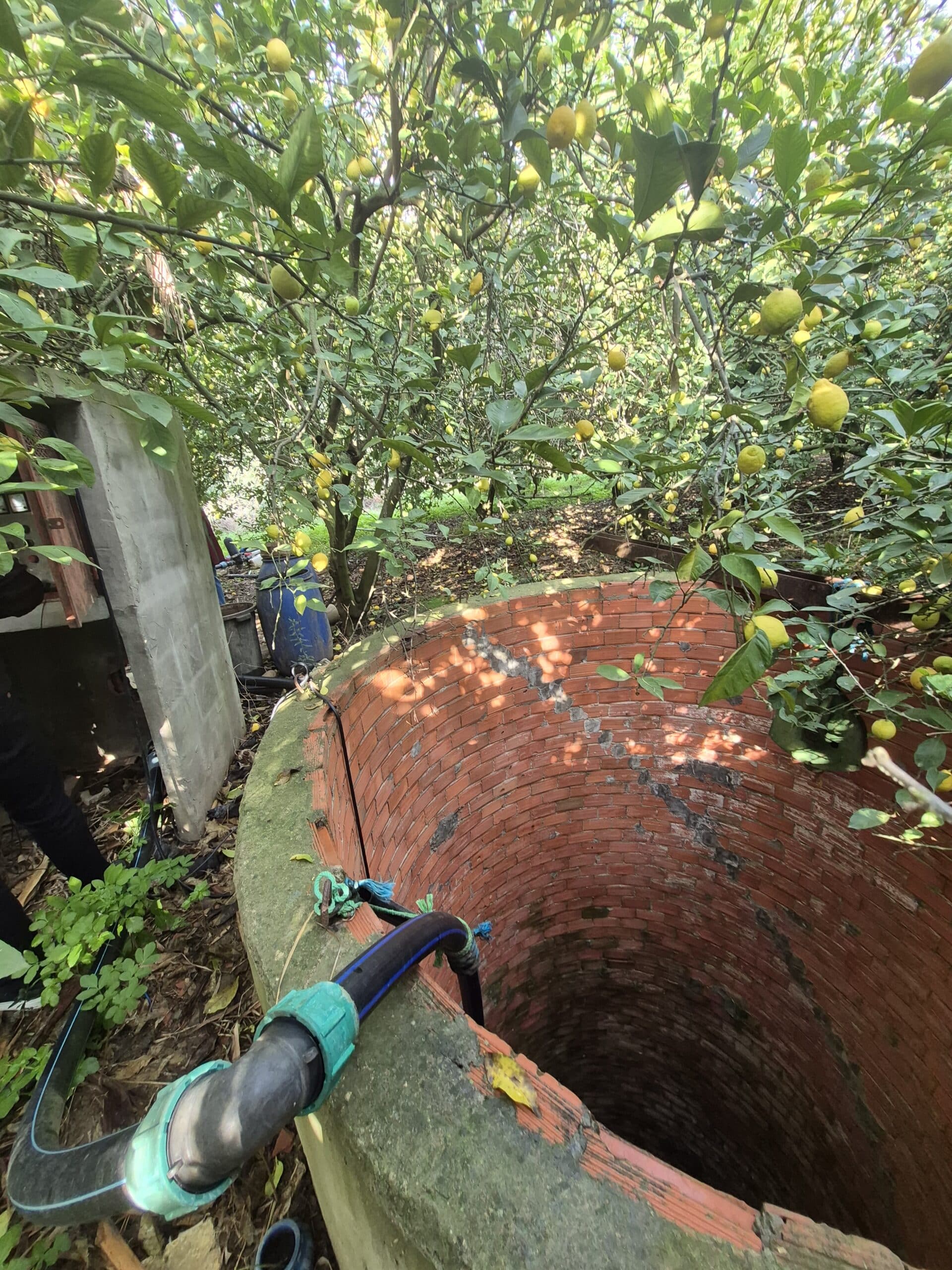
At the heart of Dig-e-Farm is a pilot installation on a five-hectare organic farm in Nabeul, Tunisia, which cultivates strawberries, tomatoes, lettuce, and chili peppers. This real-world setting serves as a testing ground for an integrated solution to water and energy challenges in agriculture, combining cutting-edge technologies into one holistic system.
Resilient Energy Supply
The Agri-PV system is designed as a hybrid prosumer solution: it prioritizes power for farm operations, ensures irrigation continues during grid outages, and feeds surplus electricity back into the grid to strengthen local infrastructure. A smart algorithm, trained with local consumption and outage data, forecasts energy demands and blackouts to intelligently manage power distribution and battery storage.
Smart Irrigation
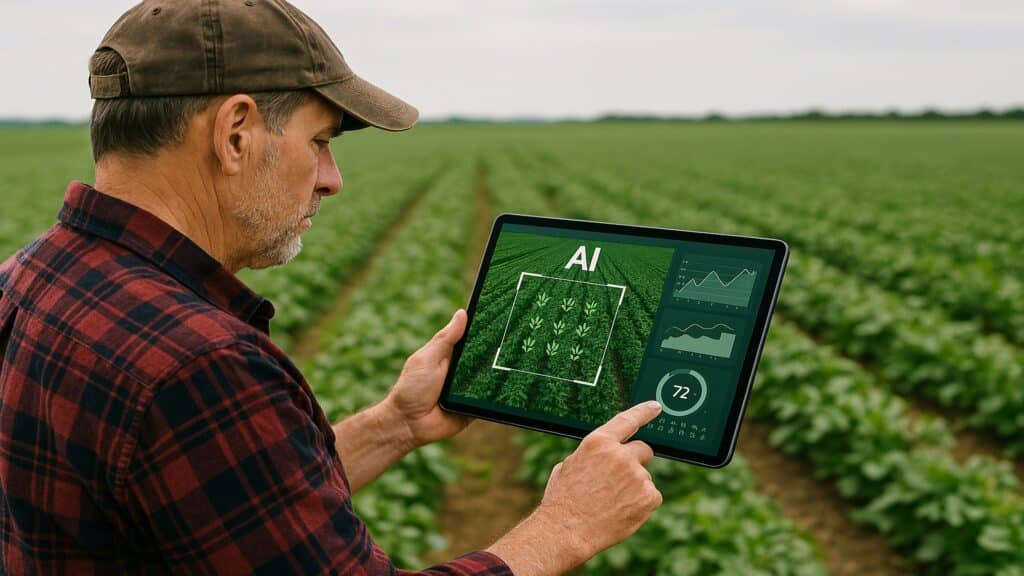
Using real-time soil moisture data, weather forecasts, and crop-specific water needs, an AI-driven irrigation system powered by solar energy will optimize watering schedules. This predictive, automated approach aims to reduce water consumption by up to 40% while ensuring reliable operation powered entirely by renewable energy.
Digital Control via Dashboard
A user-friendly digital dashboard and mobile app act as the central control hub. It provides real-time updates on irrigation schedules, energy usage, and outage predictions, enabling farmers to monitor and manage their operations with greater efficiency and confidence.
Scalable and Validated
The pilot site serves not only to validate the technology but also to gather valuable feedback from farmers for future improvements. The system is designed for scalability and transferability, with the goal of supporting similar farms across Tunisia and other regions facing comparable challenges.
- Resilient Energy Supply
- Smart Irrigation
- Digital Control via Dashboard
- Scalable and Validated
- Resilient Energy Supply
- Smart Irrigation
- Digital Control via Dashboard
- Scalable and Validated
Resilient Energy Supply
The Agri-PV system is designed as a hybrid prosumer solution: it prioritizes power for farm operations, ensures irrigation continues during grid outages, and feeds surplus electricity back into the grid to strengthen local infrastructure. A smart algorithm, trained with local consumption and outage data, forecasts energy demands and blackouts to intelligently manage power distribution and battery storage.
Smart Irrigation
Using real-time soil moisture data, weather forecasts, and crop-specific water needs, an AI-driven irrigation system powered by solar energy will optimize watering schedules. This predictive, automated approach aims to reduce water consumption by up to 40% while ensuring reliable operation powered entirely by renewable energy.
Digital Control via Dashboard
A user-friendly digital dashboard and mobile app act as the central control hub. It provides real-time updates on irrigation schedules, energy usage, and outage predictions, enabling farmers to monitor and manage their operations with greater efficiency and confidence.
Scalable and Validated
The pilot site serves not only to validate the technology but also to gather valuable feedback from farmers for future improvements. The system is designed for scalability and transferability, with the goal of supporting similar farms across Tunisia and other regions facing comparable challenges.
Dig-e-Farm project progress
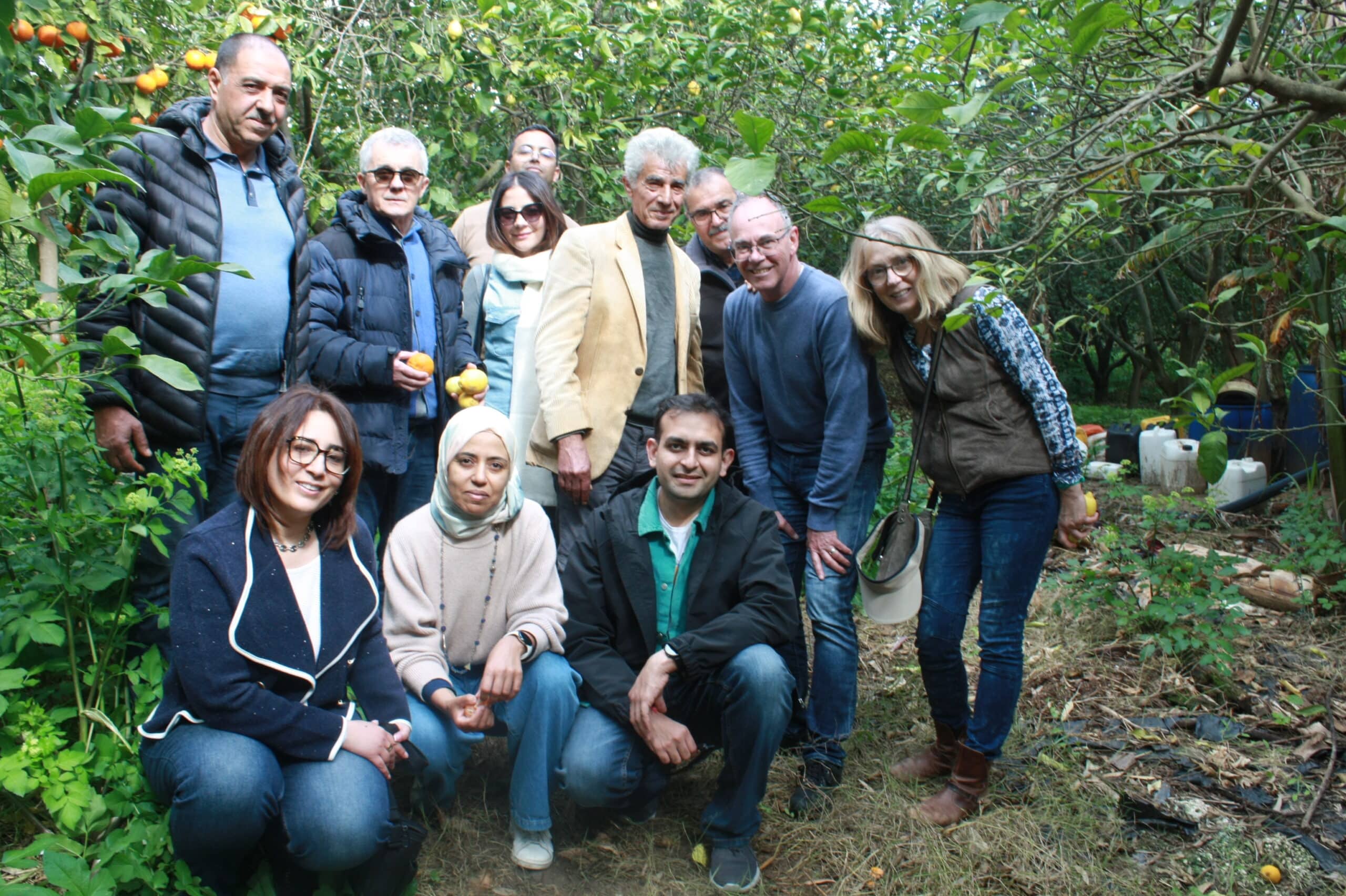
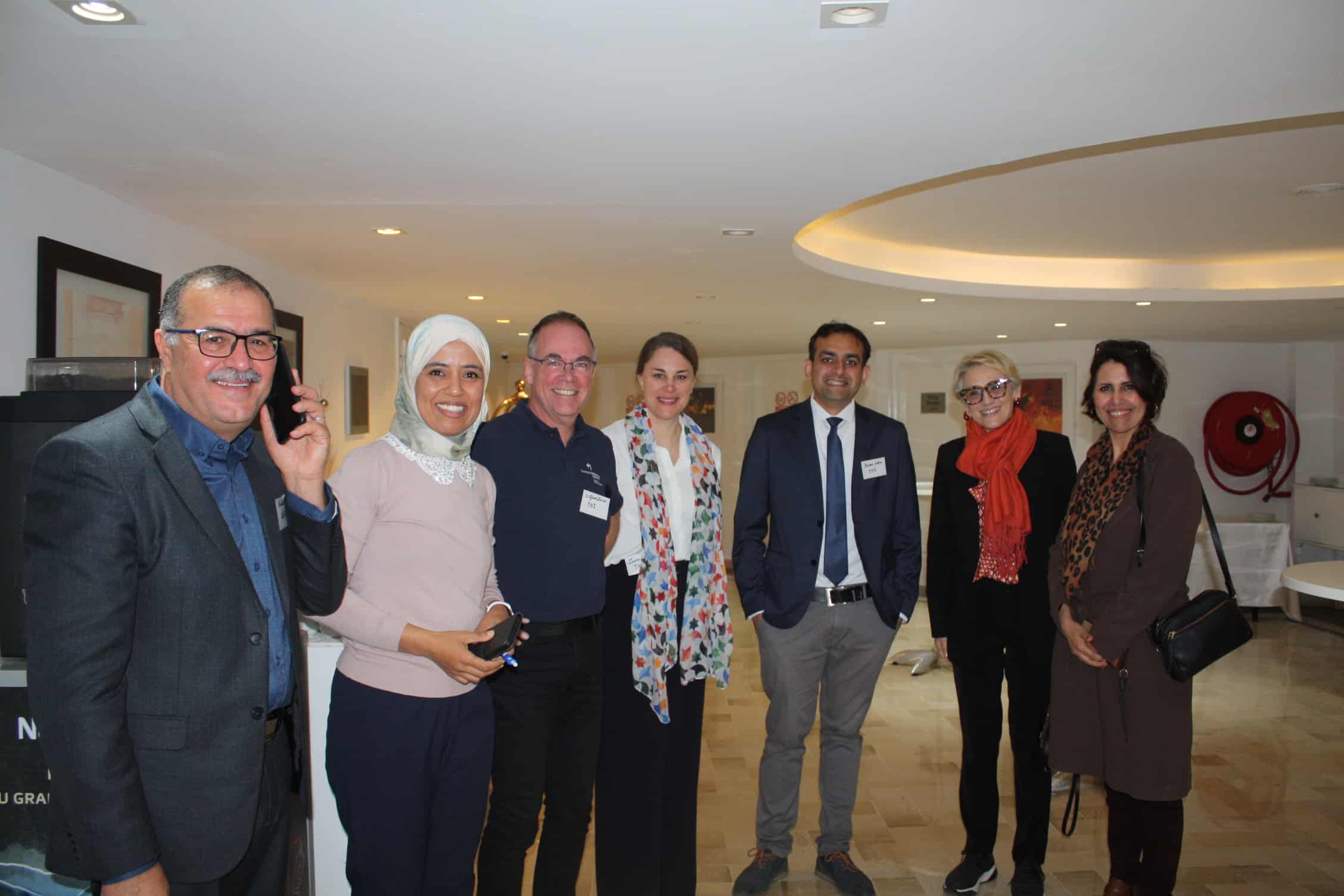
In December 2025, the Dig-e-Farm project team carried out a technical visit to Tunisia, marking a key step toward the implementation of the Agri-PV pilot plant. The visit enabled on-site assessment of the refined technical configuration, clarification of regulatory and legal frameworks through exchanges with the German Chamber of Commerce in Tunis and the Tunisian National Agency for Energy Management (ANME), and confirmation of approval and certification processes. In addition, cooperation with a local construction partner was established, strengthening local capacity development, and the suitability of the pilot site was confirmed through a site visit.
In summer 2025, the Dig-e-Farm project marked an important leadership transition as Prof. Dr.-Ing. Wilfried Zörner handed over project management to Prof. Dr.-Ing. Daniel Navarro Gevers. Prof. Zörner laid a strong foundation for the project through his expertise in renewable energy systems and international cooperation, particularly in the field of AI-based Agri-PV solutions. With his background in electrical power engineering and renewable energy integration, Prof. Navarro now assumes leadership, ensuring continuity while introducing new impulses for the further development of Dig-e-Farm.
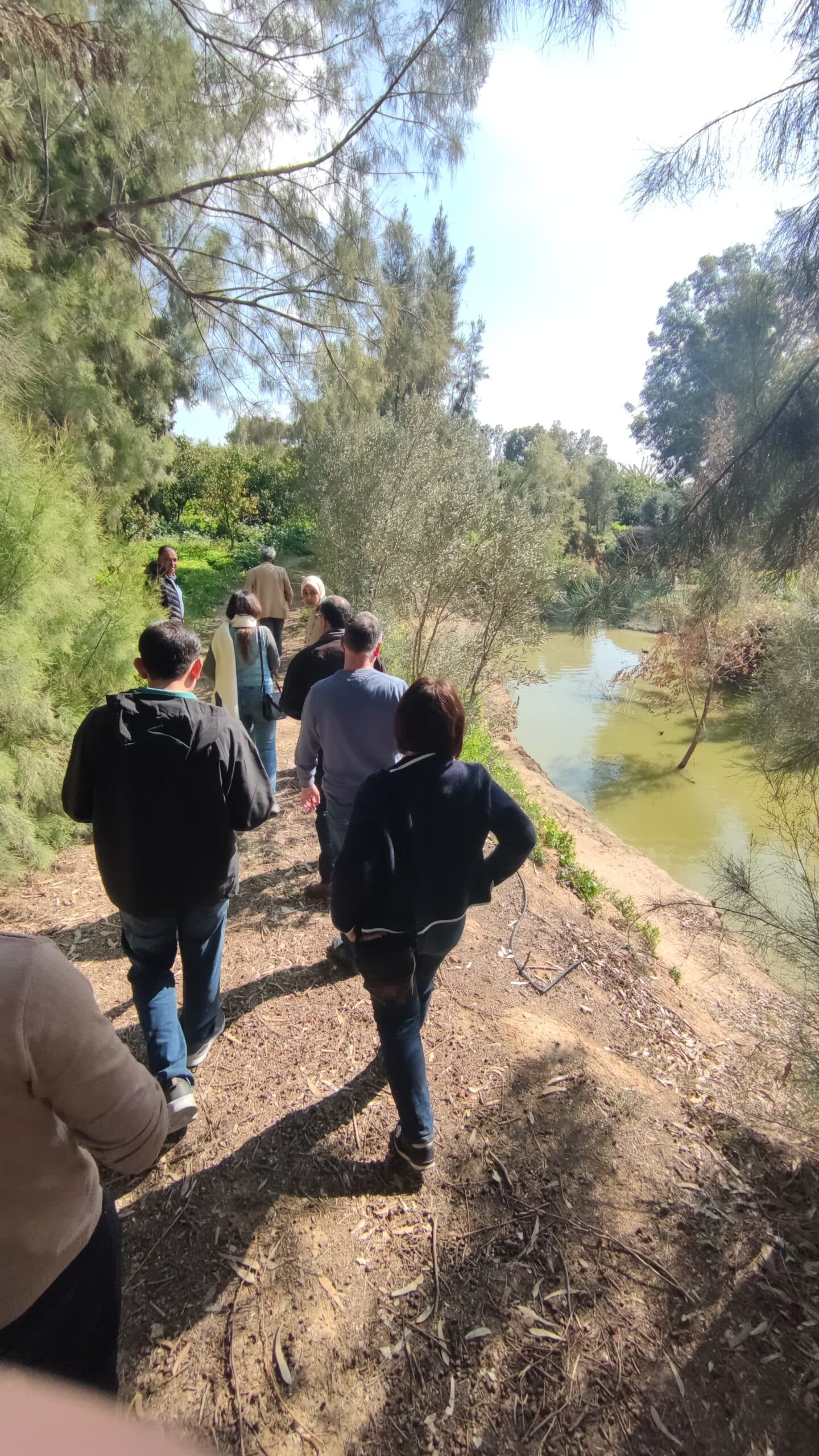
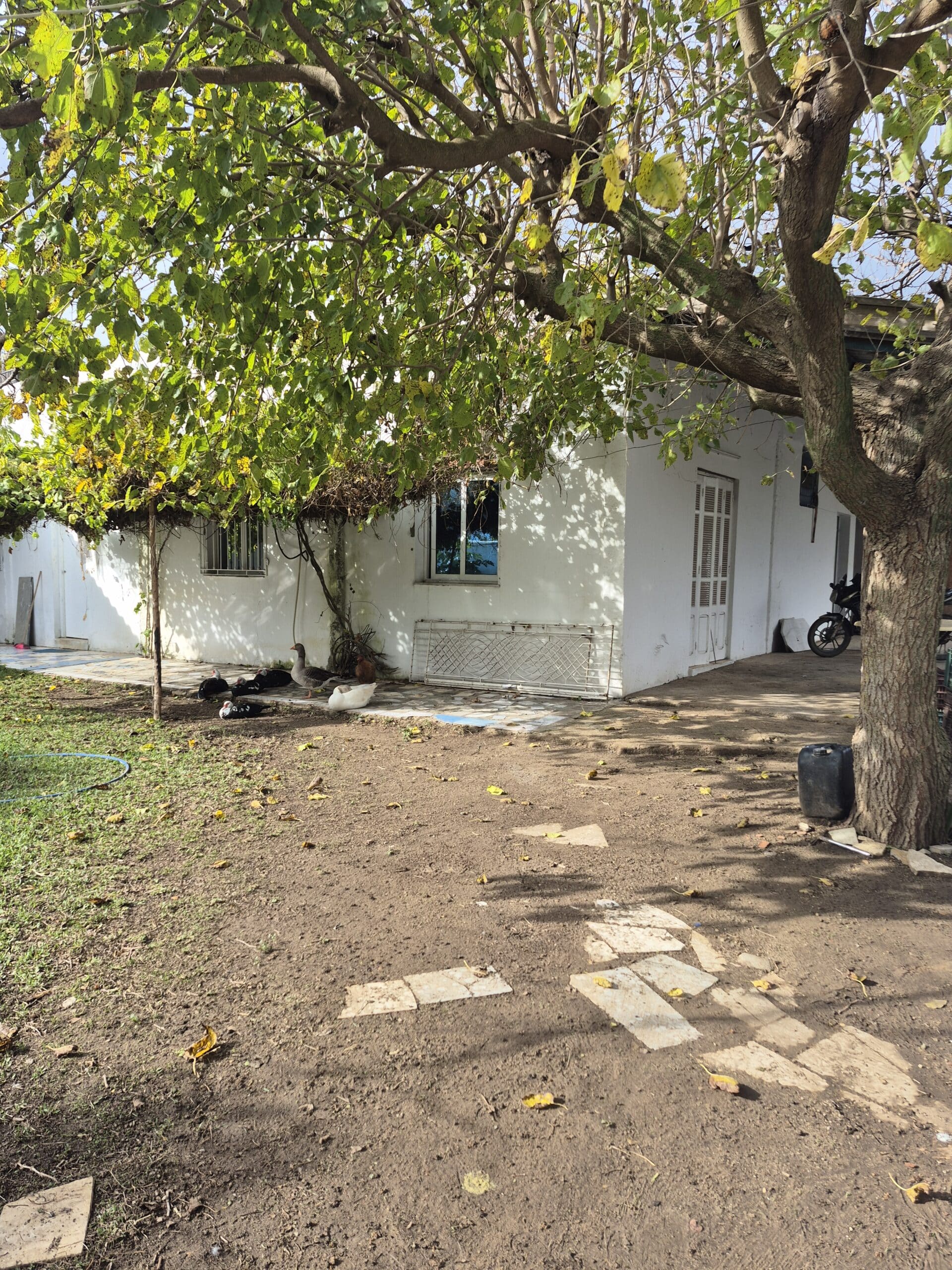
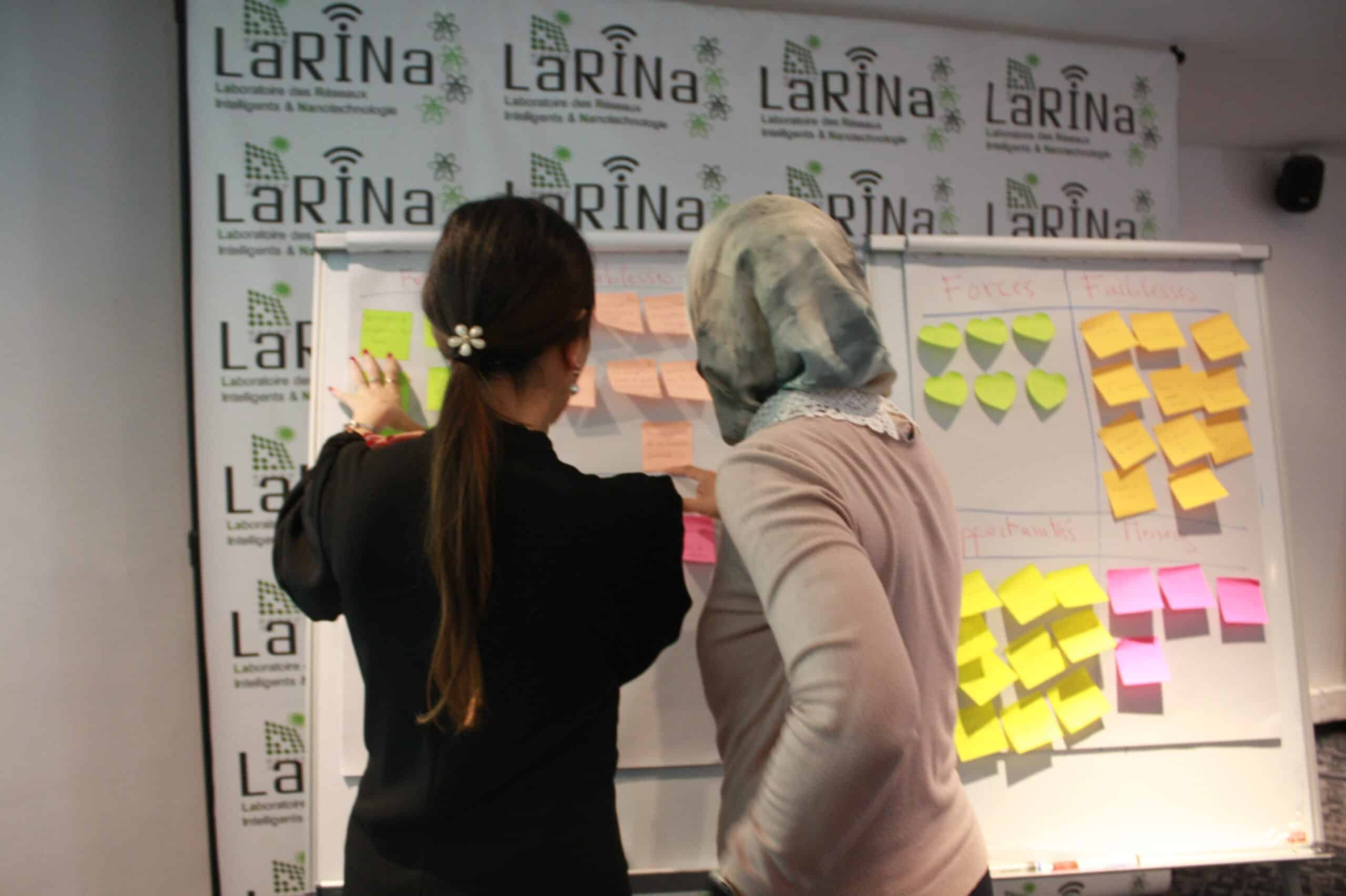
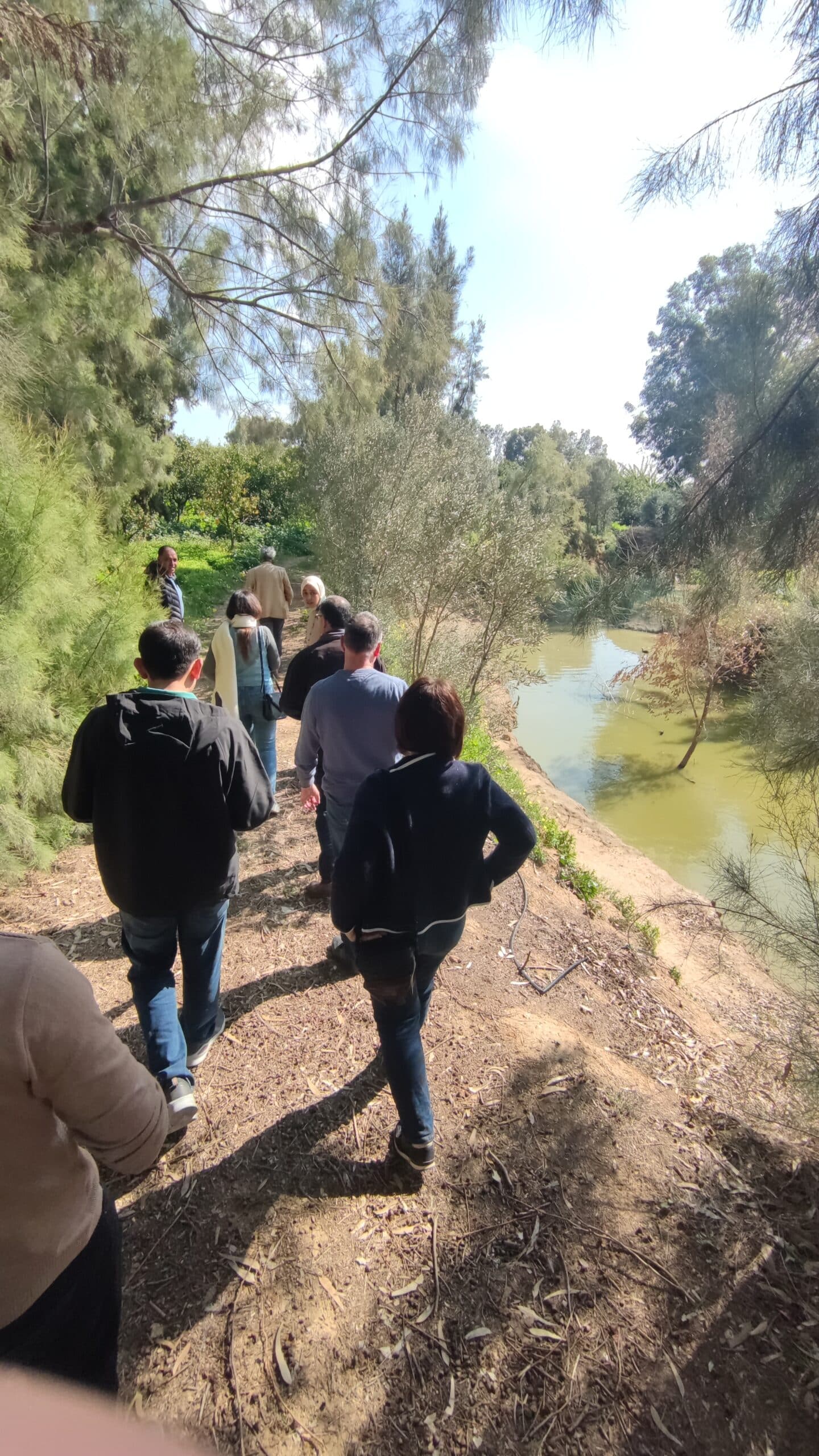
The technical trip to Tunisia represented a key step forward in the progress of our project. During their visit to Tunis, the InES team had the opportunity to tour the pilot plant site at Eden Farm. The trip also included a highly engaging workshop organized by LaRINa, bringing together diverse stakeholders to discuss the future of Agri-PV in Tunisia.
Dig-e-Farm project progress
The two universities are working together on a range of scientific questions tailored to local conditions.
Digital Control via Dashboard
At the heart of Dig-e-Farm is a pilot installation on a five-hectare organic farm in Nabeul, Tunisia, which cultivates strawberries, tomatoes, lettuce, and chili peppers. This real-world setting serves as a testing ground for an integrated solution to water and energy challenges in agriculture, combining cutting-edge technologies into one holistic system.
Digital Control via Dashboard
At the heart of Dig-e-Farm is a pilot installation on a five-hectare organic farm in Nabeul, Tunisia, which cultivates strawberries, tomatoes, lettuce, and chili peppers. This real-world setting serves as a testing ground for an integrated solution to water and energy challenges in agriculture, combining cutting-edge technologies into one holistic system.
Digital Control via Dashboard
At the heart of Dig-e-Farm is a pilot installation on a five-hectare organic farm in Nabeul, Tunisia, which cultivates strawberries, tomatoes, lettuce, and chili peppers. This real-world setting serves as a testing ground for an integrated solution to water and energy challenges in agriculture, combining cutting-edge technologies into one holistic system.
Digital Control via Dashboard
At the heart of Dig-e-Farm is a pilot installation on a five-hectare organic farm in Nabeul, Tunisia, which cultivates strawberries, tomatoes, lettuce, and chili peppers. This real-world setting serves as a testing ground for an integrated solution to water and energy challenges in agriculture, combining cutting-edge technologies into one holistic system.
Digital Control via Dashboard
At the heart of Dig-e-Farm is a pilot installation on a five-hectare organic farm in Nabeul, Tunisia, which cultivates strawberries, tomatoes, lettuce, and chili peppers. This real-world setting serves as a testing ground for an integrated solution to water and energy challenges in agriculture, combining cutting-edge technologies into one holistic system.
Digital Control via Dashboard
At the heart of Dig-e-Farm is a pilot installation on a five-hectare organic farm in Nabeul, Tunisia, which cultivates strawberries, tomatoes, lettuce, and chili peppers. This real-world setting serves as a testing ground for an integrated solution to water and energy challenges in agriculture, combining cutting-edge technologies into one holistic system.
Latest News
Participating Universities
The two universities are working together on a range of scientific questions tailored to local conditions.
The Laboratoire des Réseaux Intelligents et Nanotechnologie (LaRINa), based at the Ecole Nationale des Sciences et Technologies Avancées à Borj Cédria (ENSTAB), part of the Université de Carthage, is a leading research institution in Tunisia focused on innovative technologies for sustainable development.
Founded in 2016, LaRINa conducts applied research to enhance industrial processes and develop smart, sustainable solutions for energy and water management. The laboratory collaborates with international research institutions and is deeply involved in the fields of renewable energy and artificial intelligence (AI).
LaRINa has contributed to various national and international initiatives. With its strong expertise in digitalization, energy management, and AI-driven solutions, LaRINa plays a key role in the development of intelligent power and water systems—particularly in supporting the implementation of Agri-PV technologies in Tunisia and beyond.
The Institute of New Energy Systems (InES) at Technische Hochschule Ingolstadt (THI) plays a central role in advancing the university’s international engagement—especially through its long-standing partnerships across the African continent.
For over 15 years, InES has led successful collaboration projects with local businesses and universities in Africa. To date, the institute has been involved in more than sixteen completed or ongoing initiatives, working closely with local and international partners in the field of applied renewable energy technologies. These projects focus on practical, real-world solutions and contribute to sustainable development through innovation, knowledge exchange, and strong cross-continental networks.
Research & publications
|
Our industry and network partners
The project brings together experienced partners, each contributing their proven expertise in energy, agriculture, and digital innovation. By testing new technologies directly on the ground, Dig-e-Farm not only creates opportunities for Bavarian companies to expand into new markets but also delivers tangible benefits for Tunisian partners. Through practical collaboration, both sides gain knowledge, experience, and tools that support sustainable development and strengthen climate-resilient agriculture in Tunisia and beyond.
Join our network and get in touch with us — we look forward to hearing from you!
The two universities are working together on a range of scientific questions tailored to local conditions.
Join our network and get in touch with us —
we look forward to hearing from you!
The two universities are working together on a range of scientific questions tailored to local conditions.